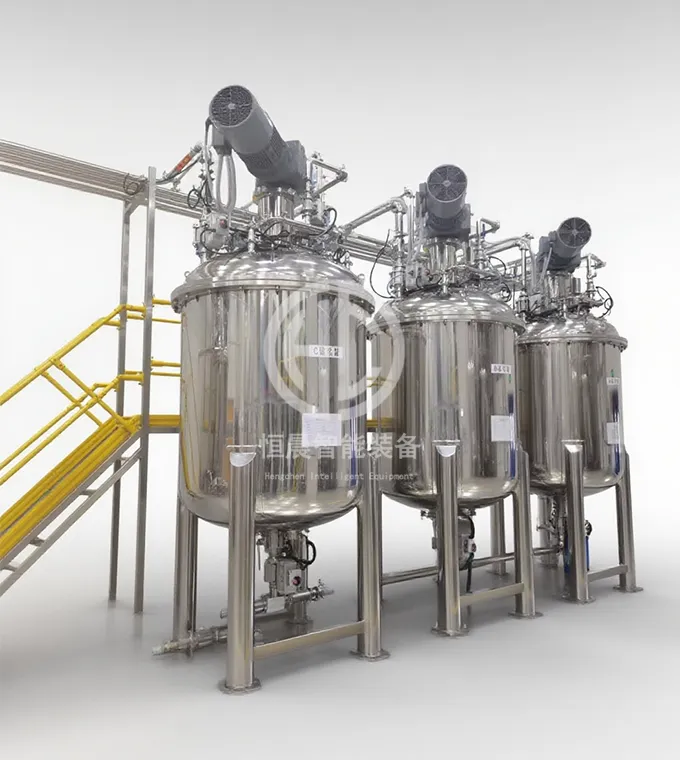


The rapid growth of the electric vehicle and energy storage industries has significantly increased the demand for high-performance lithium batteries. As battery manufacturers continue to pursue higher energy density, improved cycle life, and greater production efficiency, the quality of slurry preparation has become more important than ever.
A planetary vacuum mixer is one of the most critical pieces of equipment in lithium battery manufacturing. It directly affects slurry dispersion, consistency, viscosity control, and ultimately the quality of the final battery cells. Choosing the right mixer can help manufacturers improve production efficiency, reduce defects, and achieve stable product performance.
In this guide, we will explore the key factors to consider when selecting a planetary vacuum mixer for lithium battery slurry production.
Why Slurry Mixing Matters in Lithium Battery Manufacturing
Lithium battery slurry typically consists of active materials, conductive additives, binders, and solvents. These materials must be evenly dispersed to ensure consistent electrochemical performance.
Poor mixing can lead to:
- Particle agglomeration
- Uneven coating thickness
- Reduced battery capacity
- Increased internal resistance
- Shorter battery lifespan
- Production waste and quality issues
A high-quality planetary vacuum mixer helps eliminate these challenges by creating a homogeneous slurry with excellent dispersion and minimal air entrapment.
What Is a Planetary Vacuum Mixer?
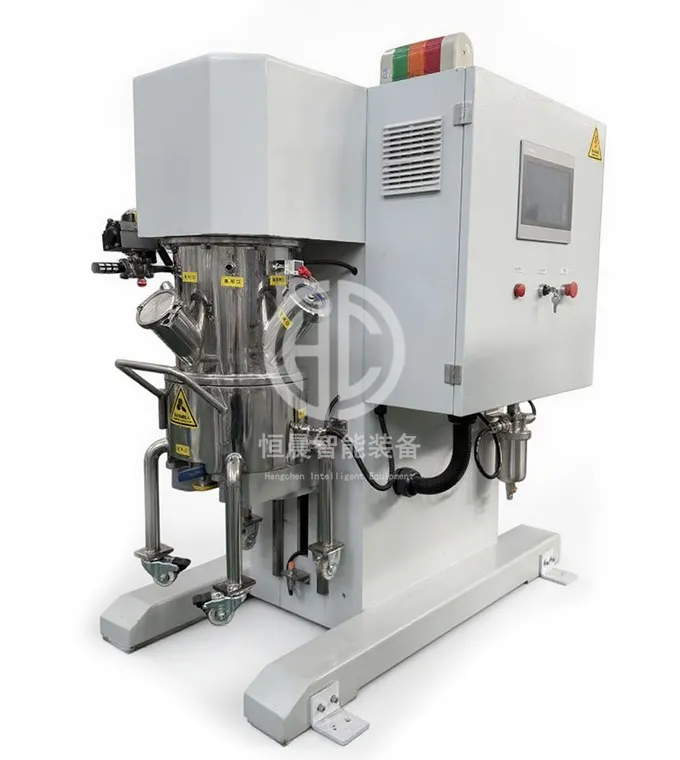
A planetary vacuum mixer uses rotating and revolving mixing blades that move simultaneously throughout the mixing vessel. This motion ensures that all materials are continuously mixed from different angles.
The vacuum environment removes trapped air bubbles during the mixing process, preventing defects in downstream coating and electrode manufacturing operations.
Compared with conventional mixers, planetary vacuum mixers provide:
- Superior dispersion performance
- Better viscosity control
- Faster mixing cycles
- Reduced contamination risk
- Improved product consistency
For battery manufacturers, these advantages can directly impact product quality and manufacturing efficiency.
Key Factors to Consider When Choosing a Planetary Vacuum Mixer
1. Mixing Capacity Requirements
The first consideration is production capacity.
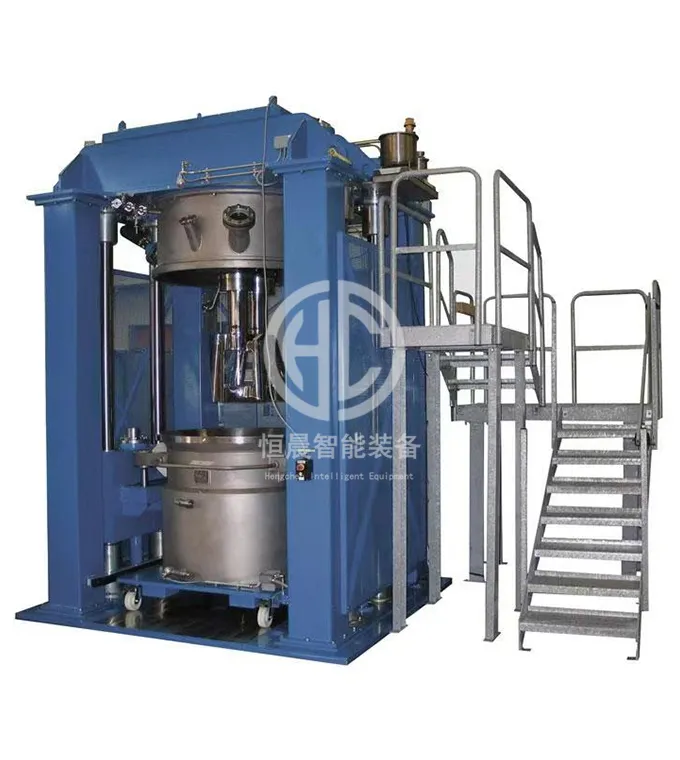
Small-scale R&D laboratories may require mixers with capacities ranging from 1L to 20L, while industrial production lines often need systems exceeding several hundred liters.
When evaluating equipment, consider:
- Daily production volume
- Batch size requirements
- Future expansion plans
- Available factory space
Selecting the right capacity helps avoid underutilization or production bottlenecks.
2. Material Viscosity Range
Battery slurry often exhibits high viscosity, especially during advanced lithium-ion battery production.
The mixer should be capable of handling:
- Low-viscosity materials
- Medium-viscosity suspensions
- High-viscosity battery slurries
Manufacturers should verify the equipment’s maximum viscosity handling capability before making a purchasing decision.
3. Vacuum Performance
Vacuum mixing plays a crucial role in removing entrapped air.
Air bubbles can create coating defects, reduce conductivity, and negatively impact battery performance.
An effective vacuum system should provide:
- Stable vacuum pressure
- Fast deaeration capability
- Reliable sealing performance
- Consistent operation throughout the mixing cycle
Vacuum efficiency often becomes a key differentiator between standard mixers and advanced industrial systems.
4. Dispersion Efficiency
Uniform dispersion of conductive agents and active materials is essential for battery performance.
A high-performance planetary vacuum mixer should provide:
- Strong shear force
- Complete material circulation
- Uniform particle distribution
- Shorter mixing times
Efficient dispersion improves slurry quality while reducing energy consumption.
5. Automation and Process Control
Modern battery factories increasingly rely on automation.
Advanced mixing systems may include:
- PLC control systems
- Recipe management
- Data recording
- Remote monitoring
- Automated feeding and discharge
Automation not only improves efficiency but also enhances process repeatability and product consistency.
Industries Benefiting from Planetary Vacuum Mixers
Although lithium battery manufacturing remains one of the primary applications, planetary vacuum mixers are also widely used in:
- New energy materials
- Electronic chemicals
- Adhesives and sealants
- Silicone products
- Pharmaceutical materials
- Fine chemicals
This versatility makes planetary mixers a valuable long-term investment for manufacturers operating in multiple industries.
Common Mistakes When Purchasing Mixing Equipment
Many buyers focus solely on equipment price while overlooking long-term operational performance.
Common purchasing mistakes include:
- Choosing insufficient capacity
- Ignoring future production expansion
- Underestimating viscosity requirements
- Overlooking maintenance costs
- Selecting equipment without adequate technical support
A lower initial investment may ultimately result in higher operational costs and production inefficiencies.
Why Work with a Professional Mixer Manufacturer?
The success of a mixing project depends not only on equipment specifications but also on engineering expertise.
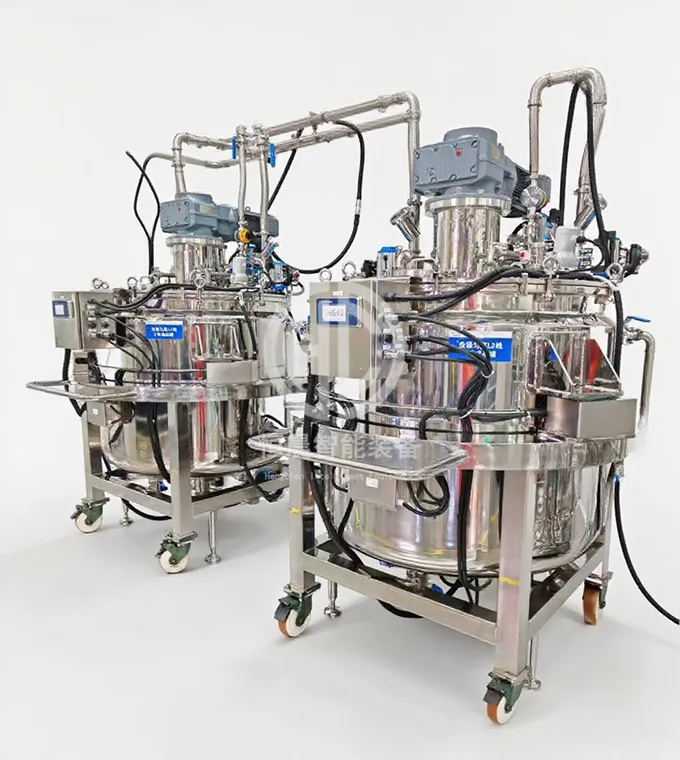
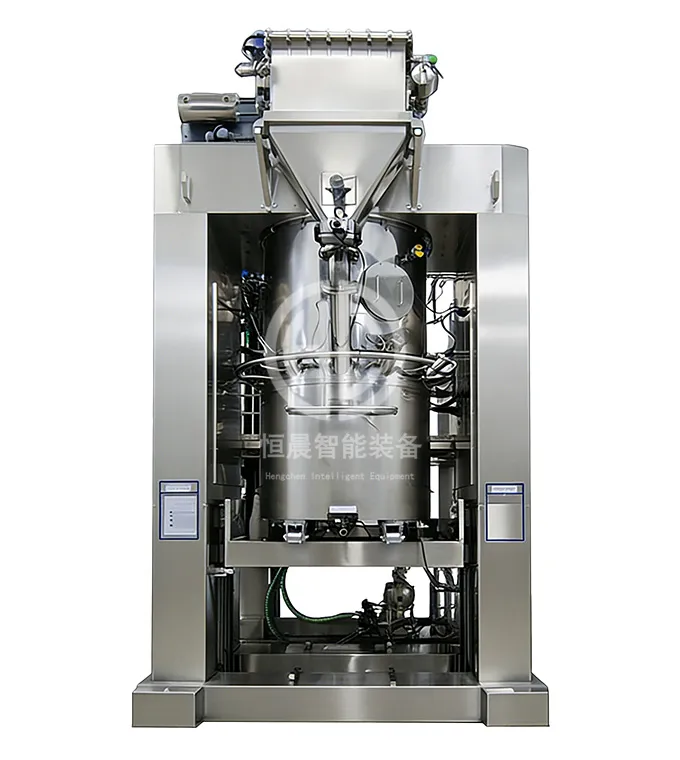
Changzhou Hengchen Intelligent Equipment Co., Ltd. specializes in customized planetary vacuum mixers, vertical kneaders, and homogenization systems for lithium battery materials and high-viscosity applications.
By working with an experienced manufacturer, customers can receive:
- Customized equipment design
- Process optimization support
- Production line integration solutions
- Technical consulting services
- Long-term maintenance support
These services help manufacturers maximize production efficiency while reducing operational risks.
Conclusion
Selecting the right planetary vacuum mixer is a critical decision for any lithium battery manufacturer. Factors such as capacity, viscosity handling, vacuum performance, dispersion efficiency, and automation capabilities should all be carefully evaluated.
As battery technology continues to evolve, advanced mixing equipment will play an increasingly important role in ensuring product quality and manufacturing competitiveness.
Changzhou Hengchen Intelligent Equipment Co., Ltd. provides reliable and customized mixing solutions designed to meet the demanding requirements of modern lithium battery production. By investing in the right equipment and partnering with an experienced supplier, manufacturers can improve slurry quality, enhance productivity, and achieve long-term business success.