

High-viscosity material processing is a critical challenge in industries ranging from battery production to chemical and pharmaceutical manufacturing. Choosing the right mixing equipment is essential to ensure uniform product quality, reduce production time, and optimize energy consumption. Two popular solutions are planetary mixers and vertical kneaders. Understanding their differences, advantages, and limitations will help manufacturers make informed decisions.
Understanding Planetary Mixers
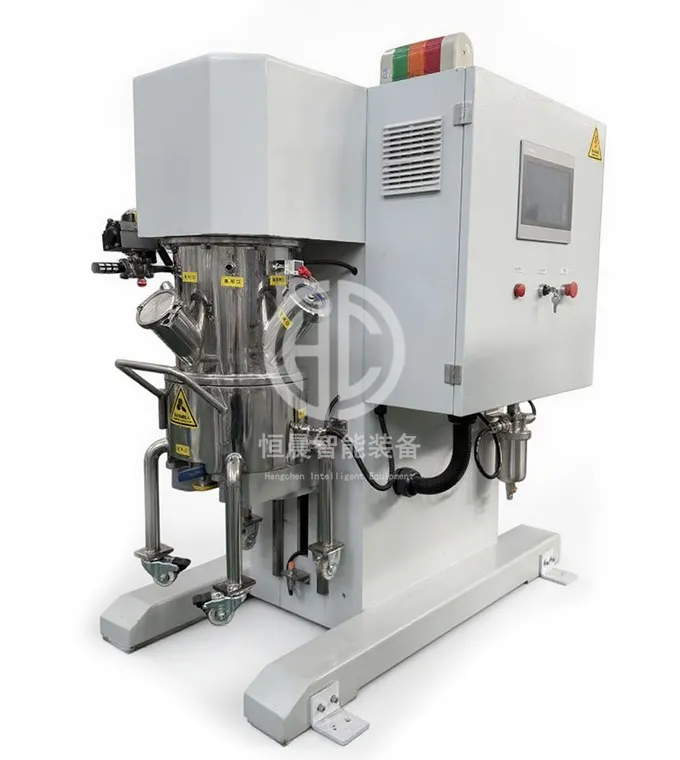
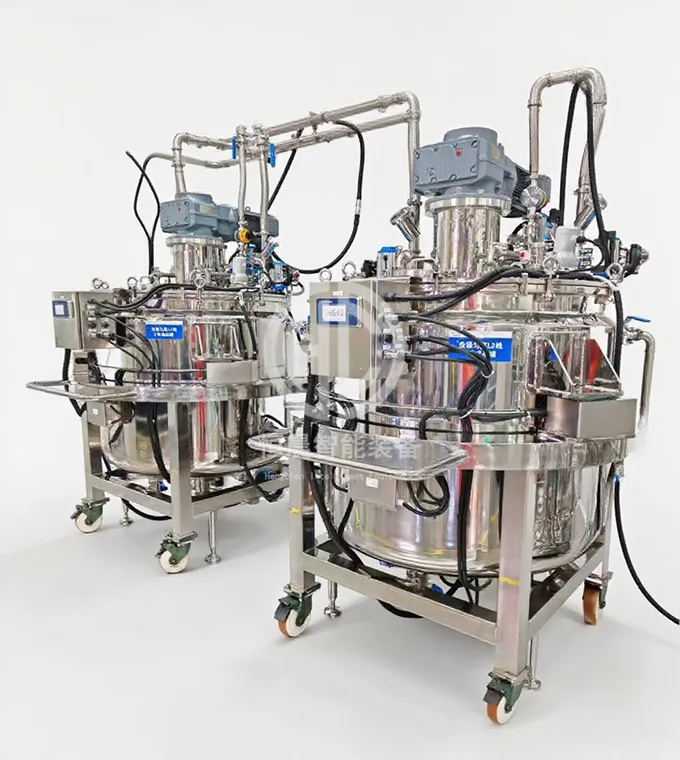
A planetary mixer features a unique dual-motion system where the mixing blades rotate around their own axis while revolving around the mixing vessel. This planetary motion ensures complete material circulation, eliminating dead zones and achieving uniform dispersion.
Key advantages for high-viscosity applications include:
- Efficient mixing of thick pastes and slurries
- Strong shear forces for homogeneous dispersion
- Suitable for small to medium batch sizes
- Can operate under vacuum to remove trapped air
Planetary mixers are ideal for industries that require precision, such as lithium battery slurry, silicone sealants, adhesives, and electronic chemicals.
Understanding Vertical Kneaders
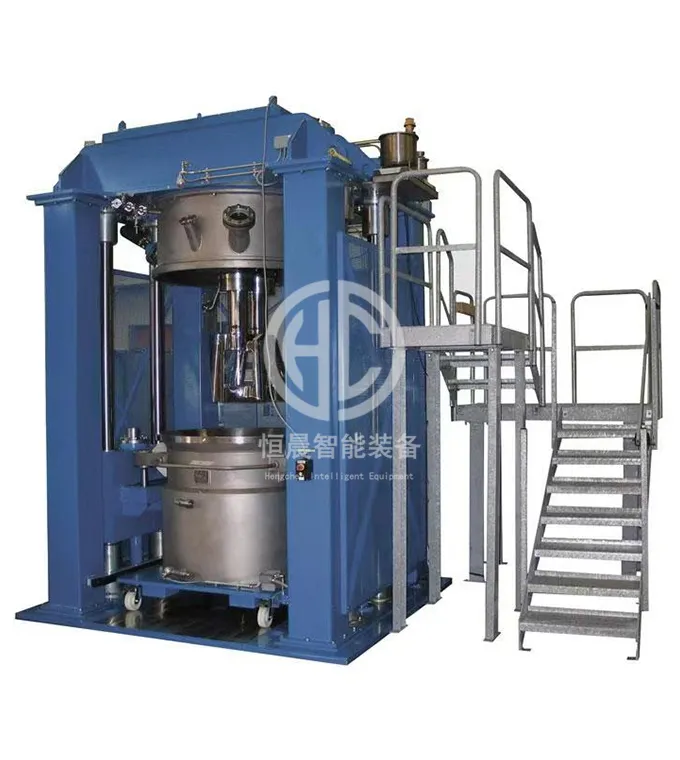
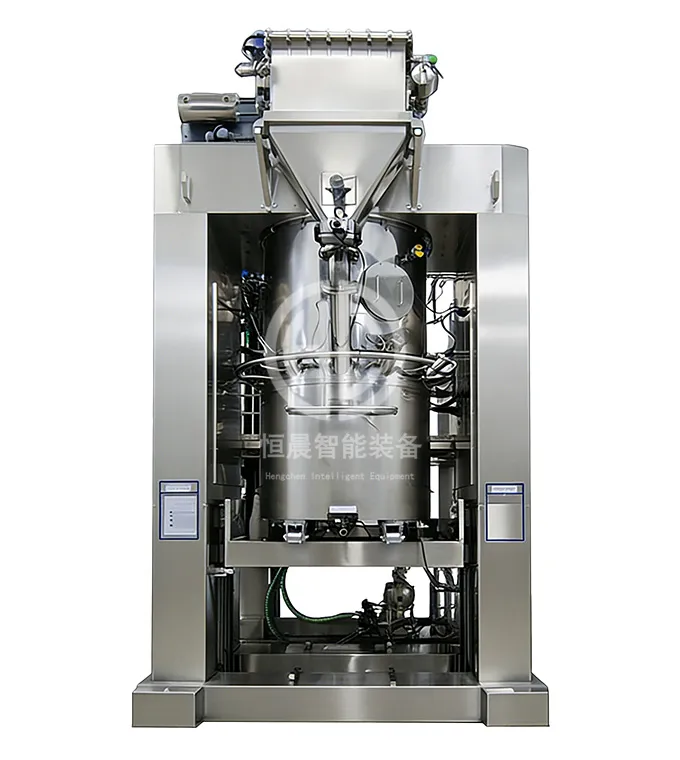
Vertical kneaders use a vertical shaft with one or more blades that knead, stretch, and fold materials continuously. They are designed specifically for extremely high-viscosity materials that are difficult to move in traditional mixers.
Key benefits include:
- Excellent handling of ultra-high-viscosity materials
- Gentle mixing that reduces material degradation
- High-capacity production possible
- Can integrate heating or cooling jackets for temperature-sensitive compounds
Vertical kneaders are often preferred for rubber, silicone, and other thick polymer processing.
Key Differences Between Planetary Mixers and Vertical Kneaders
| Feature | Planetary Mixer | Vertical Kneader |
|---|---|---|
| Motion | Rotating + revolving blades | Rotating kneading blades |
| Viscosity Handling | Medium to high | Very high |
| Batch Size | Small to medium | Medium to large |
| Vacuum Capability | Yes, common | Limited, optional |
| Industry Application | Batteries, chemicals, pharmaceuticals | Rubber, silicone, polymers |
Understanding these differences helps manufacturers match equipment to production needs, optimizing both efficiency and product quality.
Selection Considerations
When choosing between a planetary mixer and a vertical kneader, consider:
- Material type and viscosity range
- Batch volume and production speed
- Requirement for vacuum or inert atmosphere
- Integration with downstream processes
- Maintenance and operational cost
Industries Benefiting from Both Systems
Many modern manufacturers use both systems for different stages of production. For example, a planetary mixer can prepare the slurry, and a vertical kneader can handle thick pastes or polymers. Industries that benefit include:
- Lithium battery production
- Adhesives and sealants
- Silicone and rubber processing
- Pharmaceutical and cosmetic formulations
Why Choose a Trusted Manufacturer
Working with a reliable equipment manufacturer ensures that the selected mixer meets precise specifications and operational requirements. Changzhou Hengchen Intelligent Equipment Co., Ltd. specializes in both planetary mixers and vertical kneaders tailored for high-viscosity materials. Their engineers provide consultation, customization, and post-sale support to ensure optimal performance.
Conclusion
Choosing the right mixer requires careful evaluation of material properties, production volume, and desired outcomes. Both planetary mixers and vertical kneaders have unique advantages, and the best solution depends on specific processing needs.
Partnering with an experienced manufacturer like Changzhou Hengchen Intelligent Equipment Co., Ltd. allows companies to optimize high-viscosity material processing, improve efficiency, and ensure consistent product quality.